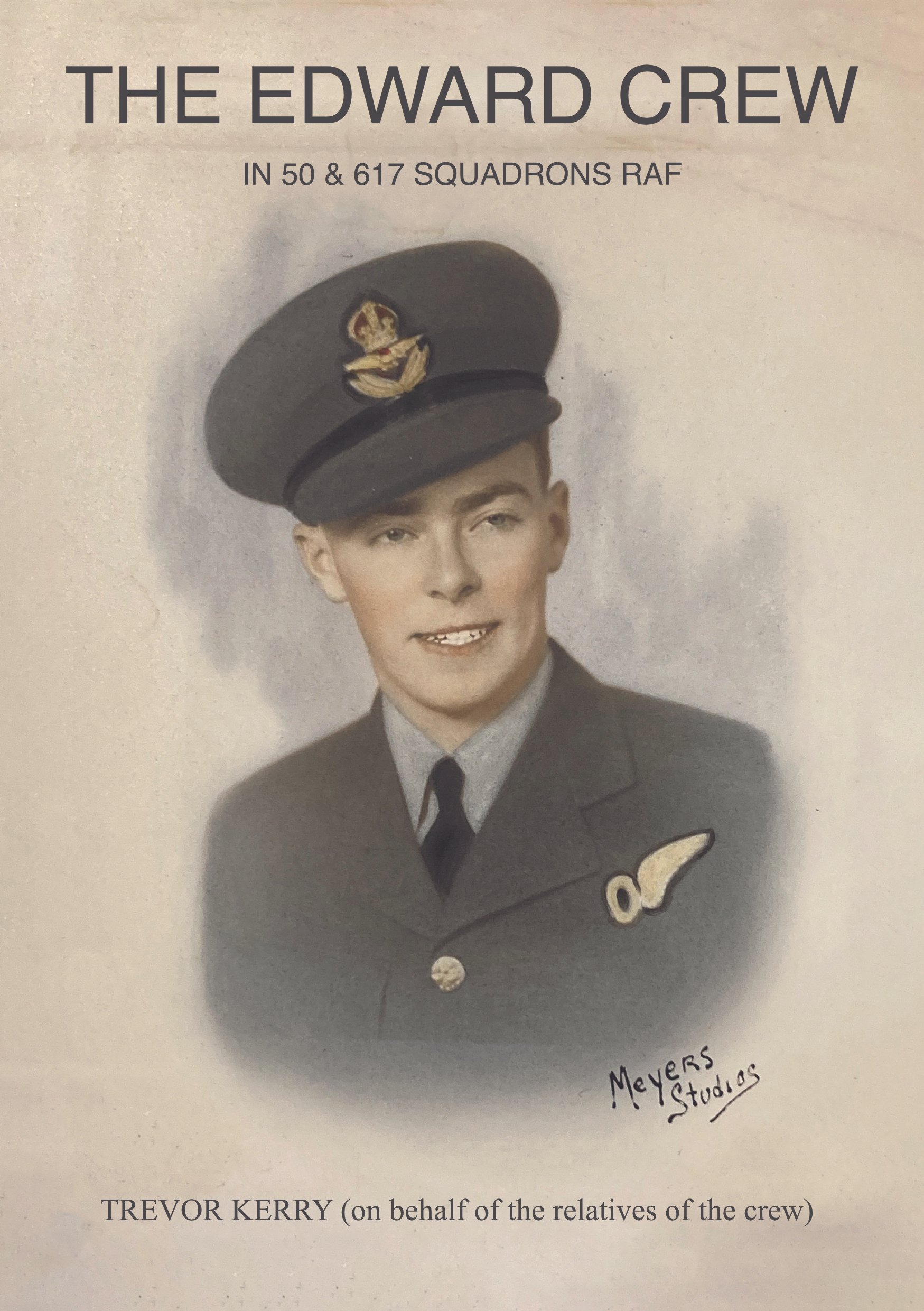
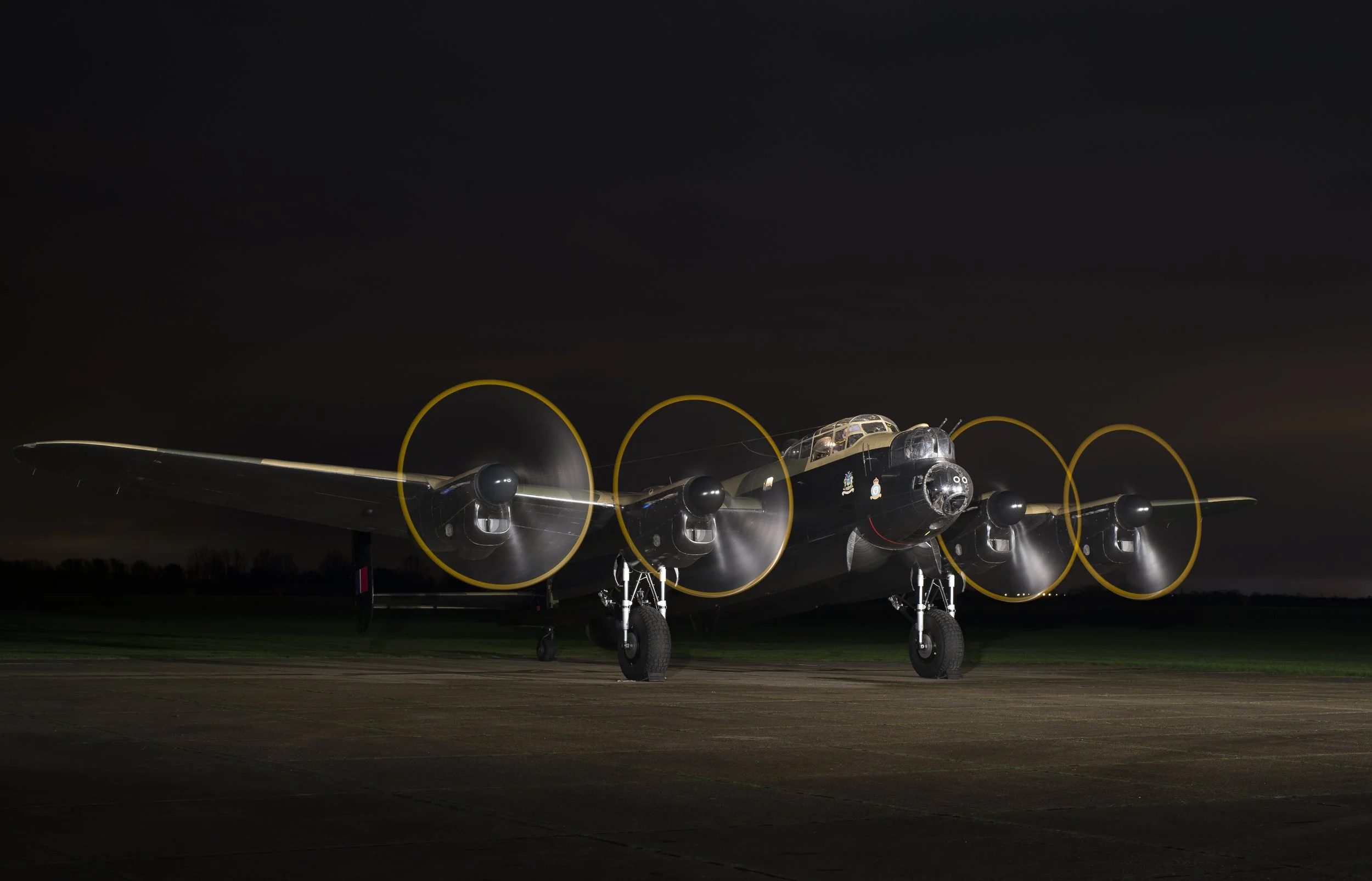
For the past decade I have been researching, in the UK and in France, the crew of a 617 Squadron Lancaster Bomber, which left RAF Woodhall Spa in Lincolnshire on 24 June 1944 to bomb the V2 rocket site at Wizernes. The aircraft was hit by flak and came down over the target. Five men died; three survived, having been aided by a French resistance worker on the ground.
Throughout that time, I have been tracking down relatives of the crew. In November 2025 I published a book about the incident (with Gaetan Sagot; The Lost Dambuster Lancaster from Pen & Sword). It was decided to get as many relatives of the crew as possible to come to Woodhall Spa in May 2026, to visit the Lincolnshire sites associated with Bomber Command and 617 Squadron. Thirteen relatives attended the Weekend. Local aviation historians and the relatives themselves brought new stories and artifacts to the session. The new evidence about the crew has been compiled, on behalf of the relatives, into this volume.
This kind of collaboration, along with the sustained research and the involvement of relatives in actively augmenting the story, makes this work extremely unusual and a blueprint for this kind of historical investigation.
For the past decade I have been researching, in the UK and in France, the crew of a 617 Squadron Lancaster Bomber, which left RAF Woodhall Spa in Lincolnshire on 24 June 1944 to bomb the V2 rocket site at Wizernes. The aircraft was hit by flak and came down over the target. Five men died; three survived, having been aided by a French resistance worker on the ground.
Throughout that time, I have been tracking down relatives of the crew. In November 2025 I published a book about the incident (with Gaetan Sagot; The Lost Dambuster Lancaster from Pen & Sword). It was decided to get as many relatives of the crew as possible to come to Woodhall Spa in May 2026, to visit the Lincolnshire sites associated with Bomber Command and 617 Squadron. Thirteen relatives attended the Weekend. Local aviation historians and the relatives themselves brought new stories and artifacts to the session. The new evidence about the crew has been compiled, on behalf of the relatives, into this volume.
This kind of collaboration, along with the sustained research and the involvement of relatives in actively augmenting the story, makes this work extremely unusual and a blueprint for this kind of historical investigation.